
When Low Mileage Should Lower Your Premium
You stopped commuting to D.C. three years ago, your odometer shows 4,200 miles for the year, and your premium hasn't budged. Your agent mentioned usage-based insurance once but never explained whether it tracks miles driven, how you drive, or both. Most retirees in Arlington assume telematics means constant monitoring—cameras, braking scores, curfews—and never ask which programs simply verify annual mileage and adjust the rate accordingly.
Virginia law requires insurers to offer a mature-driver discount for operators 55 and older, but the statute doesn't fix the amount—each carrier sets its own. Usage-based programs operate under separate filing rules and stack on top of age-based or course-based discounts. The two mechanisms don't replace each other; they address different risk variables. The question isn't whether you qualify for one or the other—it's which program structure matches how you actually use the car now.
Compare rates from carriers that specialize in senior drivers
Mature driver discounts, low-mileage rates, and coverage reviews — see what you're actually eligible for.
Get Your Free QuoteTypical Retiree Annual Mileage
4,200 mi
Drivers who no longer commute often log under 5,000 miles per year, well below the 12,000–15,000 mile threshold most standard policies assume. Telematics programs designed for mileage verification reward this gap; behavior-monitoring programs do not.
Industry mileage segmentation data
Two Program Structures That Sound the Same
Usage-based insurance splits into two structures with different mechanics. Mileage-verification programs use an odometer photo, a plug-in device that reads total miles, or periodic self-reporting. The carrier adjusts your rate based on verified annual mileage—drive 4,000 miles, pay for 4,000 miles. These programs don't monitor speed, braking, time of day, or route. They verify distance and leave the rest alone.
Behavior-monitoring programs track how you drive: hard braking, rapid acceleration, speed relative to posted limits, nighttime driving, phone handling. The device or app scores each trip and adjusts your rate based on those scores. For a retiree whose driving pattern is already low-risk—short daytime trips, consistent routes, no rush-hour pressure—the scoring adds complexity without recognizing what already works in your favor.
The structural difference matters because mileage programs reward what retirees do naturally—drive less—while behavior programs create friction around trip-by-trip grading that many find intrusive. Most carriers in Virginia offer one or the other; a few offer both under separate program names. Your agent may present them interchangeably unless you ask which structure applies.
The blocker: your carrier offers usage-based insurance, but the agent hasn't clarified whether it tracks annual mileage or scores every trip—and the two produce different results for low-mileage retirees.
Which Arlington Carriers Offer Mileage Programs
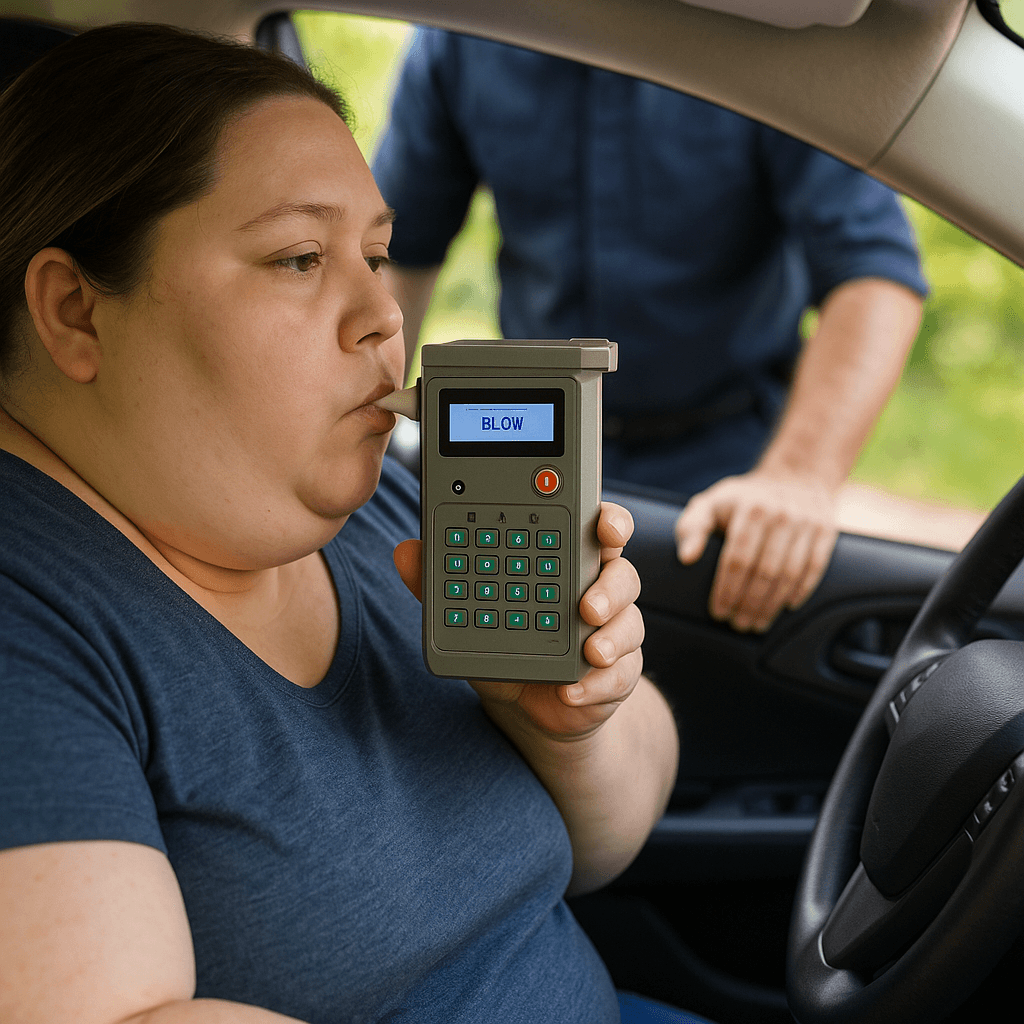
Geico, Progressive, and Nationwide each offer mileage-verification options alongside behavior-monitoring programs. Geico's structure uses periodic odometer photos; Progressive offers both Snapshot (behavior) and Snapshot Road Test (mileage); Nationwide separates SmartMiles (mileage) from SmartRide (behavior). All three write standard-tier business in Virginia and accept online enrollment. If you're already with one of these carriers, ask your agent which program name corresponds to mileage verification—program branding obscures the structural difference.
State Farm and Allstate both operate behavior-monitoring telematics in Virginia without separate mileage-only tracks. State Farm's Drive Safe & Save scores trips; Allstate's Drivewise does the same. Both are preferred-tier carriers and both file mature-driver discounts as required by Virginia statute, but their telematics programs add trip scoring rather than mileage confirmation. For a retiree whose trip pattern is already favorable, the scoring layer may produce modest savings or none at all—the program wasn't designed to isolate annual-mileage reduction as the primary variable.
Related Articles






What Enrollment Actually Requires
Mileage-verification programs ask for odometer confirmation at enrollment and periodic updates—monthly photos, quarterly device syncs, or annual self-certification depending on carrier. The device plugs into your OBD-II port (the diagnostic connector under the dash) and reads total miles; it doesn't track GPS, speed, or trip details. Some programs allow app-based photo submission instead of a device. Enrollment takes one call or one online form; most carriers activate the program at your next renewal rather than mid-term.
Behavior-monitoring programs require app download, Bluetooth pairing, or device installation, then score trips for 90 days to six months before finalizing your discount. The monitoring period means your rate won't drop immediately—the carrier needs trip data to calculate the score. For retirees, this creates a waiting period during which the program monitors driving that's already low-risk by pattern. The eventual discount reflects scoring criteria built for higher-mileage mixed-risk pools, not for drivers whose annual total is already a fraction of the standard assumption.
If your current carrier offers both structures, specify mileage verification when you call. If the agent defaults to the behavior program, ask by name for the mileage-only option and confirm no trip scoring applies. If your carrier offers only behavior monitoring, compare that against switching to a carrier whose mileage program isolates what you're actually doing differently—driving fewer miles.
Carriers Writing in Virginia
25
Twenty-five carriers write auto insurance in Virginia across standard, preferred, and non-standard tiers. Not all offer telematics; among those that do, mileage-verification programs cluster in the standard tier while behavior programs appear across all three.
Virginia Bureau of Insurance carrier filings
How the Mature-Driver Discount Layers With Telematics
Virginia Code § 38.2-2217(A) requires insurers to offer a mature-driver discount for operators 55 and older. The statute mandates an appropriate reduction but doesn't fix the percentage—each carrier files its own amount with the state Bureau of Insurance. The discount applies automatically at 55 for age-based filings, or after completion of a state-approved defensive driving course for course-based filings. Your carrier determines which mechanism it uses; some offer both and let you choose the larger.
Telematics discounts file separately. A mileage program adjusts your base rate for verified annual miles; the mature-driver discount applies to that adjusted rate as a percentage reduction. The two don't offset each other. If your base rate drops because you're driving 4,000 miles instead of 12,000, the mature-driver percentage applies to the lower number—the compounding works in your favor. Ask your agent to quote both the mileage adjustment and the mature-driver percentage so you see the combined effect before enrollment.
Compare Carriers Before You Enroll
If your current carrier's telematics structure doesn't match your driving pattern, request quotes from carriers whose mileage programs do. Geico, Progressive, and Nationwide all write in Arlington and all offer mileage-verification options; their standard-tier underwriting accepts clean-record retirees, and online quote tools let you model the mileage tier that fits your annual total. State your actual mileage when you quote—understating it to chase a lower premium creates a coverage gap if the carrier audits odometer readings mid-term.
When you compare, ask each carrier three questions: does the telematics program track mileage only or score trips; does the mature-driver discount apply automatically at 55 or require course completion; and does the mileage tier adjust at renewal based on verified miles or lock in at enrollment. The answers determine whether the program rewards what you're already doing or asks you to change behavior that's already low-risk. A program that tracks 4,200 annual miles and applies the statutory mature-driver percentage delivers measurable savings without adding compliance friction. A program that scores your grocery-store trips and averages them against a risk pool that includes rush-hour commuters does not.
Request the Mileage Tier at Your Next Renewal
Call your carrier 30 to 45 days before your renewal date and ask to enroll in the mileage-verification program. State your estimated annual mileage based on the last 12 months—if your odometer shows 4,200 miles this year, that's the number you provide. The carrier will either activate the program at renewal or send a device for installation before the renewal processes. Confirm whether the enrollment requires a device, periodic photos, or app-based reporting, and whether the mileage tier adjusts annually or requires re-enrollment.
If your carrier offers only behavior monitoring or quotes a mileage program that doesn't reduce your rate meaningfully, compare quotes from the three carriers above before your renewal processes. Switching 60 days before renewal gives the new carrier time to bind coverage and gives you time to confirm the mileage discount applies as quoted. Low annual mileage is a structural advantage—your premium should reflect it, and the program that isolates mileage as the variable is the one that does.