
The Paid-Off Vehicle Coverage Question
You made the final payment. The title arrived. The loan is gone, and so is the bank's requirement that you carry collision and comprehensive. Your neighbor dropped both the day his truck was paid off, and you're wondering whether you should do the same. But your renewal notice still shows the premium climbing, and you're not sure whether the coverage still earns its cost now that the car is ten years old and you drive it mostly to the grocery store and church.
This is a judgment call, not a regulation question. Virginia law requires liability coverage only. Everything beyond that is optional once the lienholder releases the vehicle. But the math isn't just vehicle value versus premium cost. It includes the mature-driver discount Virginia law requires insurers to offer, the mileage you actually drive now that the commute is over, and whether the gap between your savings and the car's replacement cost can absorb a total loss without forcing you to finance again.
Compare rates from carriers that specialize in senior drivers
Mature driver discounts, low-mileage rates, and coverage reviews — see what you're actually eligible for.
Get Your Free QuoteVirginia Mature-Driver Age
55+
Virginia Code §38.2-2217(A) requires insurers to offer an appropriate rate reduction for operators 55 and older. The discount amount is set by each carrier's filed rates, not fixed by statute, so the percentage varies by insurer.
Va. Code §38.2-2217(A)
What Full Coverage Actually Protects Now
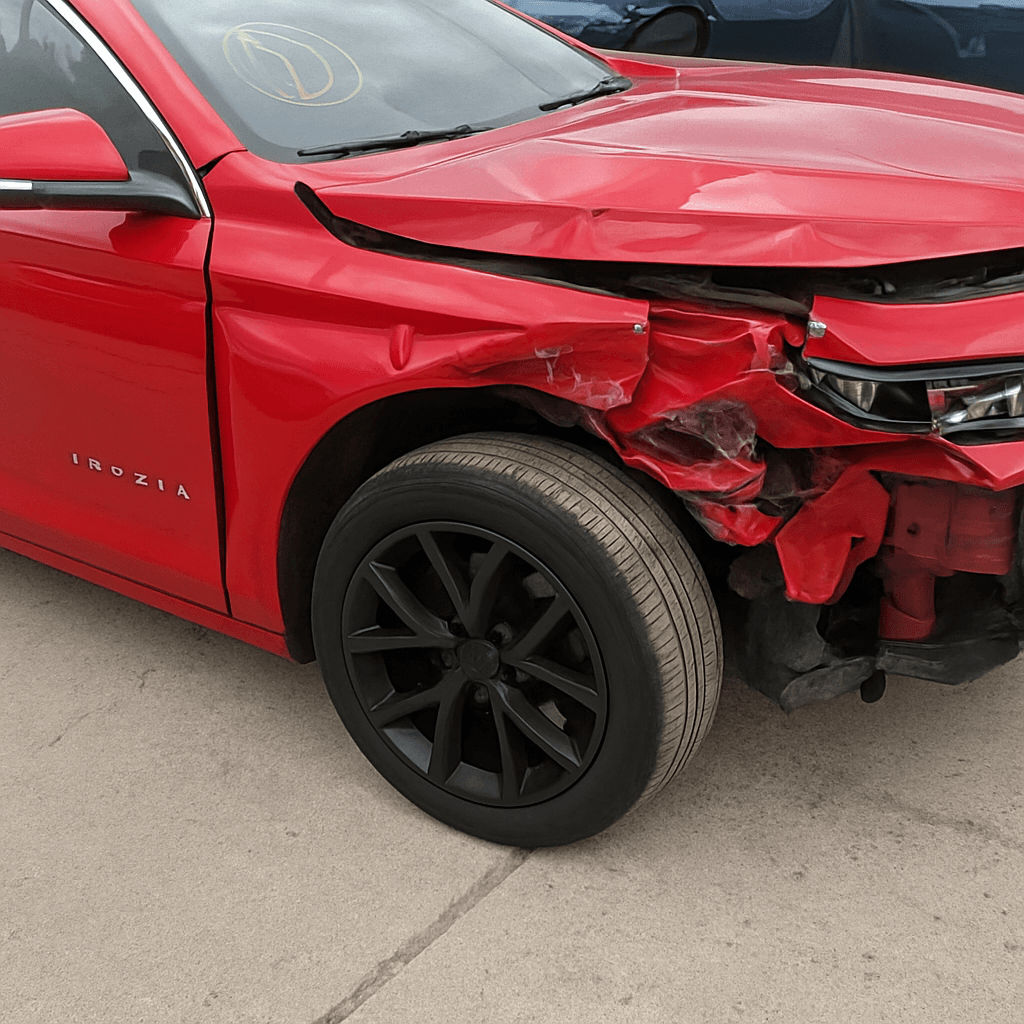
Full coverage is shorthand for a liability-plus-physical-damage package: collision pays to repair or replace your vehicle after an accident regardless of fault, and comprehensive covers theft, vandalism, weather damage, and hitting an animal. Both pay up to the car's actual cash value minus your deductible. Once that value drops below a certain threshold, the coverage becomes expensive insurance on a modest asset.
The vehicle's market value is the ceiling. If your 2014 sedan is worth $6,000 and you carry a $500 deductible, the maximum the insurer will pay for a total loss is $5,500. If your annual collision and comprehensive premium combined runs $600, you're paying more than 10 percent of the vehicle's value each year to insure it. That ratio climbs as the car ages and depreciates further.
The decision hinges on whether you can replace the vehicle out of pocket if it's totaled. If $6,000 would force you back into a loan, keeping collision makes sense. If you have that amount in accessible savings and would rather self-insure, dropping it is rational. Comprehensive typically costs less than collision and protects against risks you cannot control, so many retirees keep comprehensive and drop collision as the value declines.
The coverage decision isn't whether you can afford the premium. It's whether you can replace the car without financing if the coverage isn't there and the loss happens.
Virginia's Mature-Driver Discount Changes the Math
Va. Code §38.2-2217(A) mandates that insurers provide an appropriate rate reduction for drivers 55 and older. The statute does not set the percentage; each carrier files its own discount structure with the Virginia Bureau of Insurance. Some apply the discount automatically at age 55. Others require you to request it and submit proof of a state-approved defensive driving course. The course requirement varies by carrier, and the discount amount ranges from modest to significant depending on the insurer's filed rates.
Because the discount applies to the full premium, not just liability, it reduces the cost of keeping collision and comprehensive on an aging vehicle. A premium that felt too high at 54 may justify the coverage at 56 once the discount takes effect. But the discount is not automatic at every carrier. If you turned 55 last year and your premium hasn't dropped, your insurer may require you to submit a course certificate or request the discount in writing. Many retirees qualify but never receive the reduction because they don't know to ask.
Related Articles





Low-Mileage Programs and Usage-Based Discounts
You no longer drive to work. The commute that used to add 12,000 miles a year is gone, and now you put 3,000 to 5,000 miles on the odometer annually. Carriers price policies assuming higher mileage, and many retirees pay commuter-era premiums long after the commute ended because they never told the insurer their driving pattern changed.
Low-mileage discounts require you to report your annual mileage and sometimes verify it with an odometer photo at renewal. Usage-based programs track mileage and driving behavior through a plug-in device or smartphone app and adjust your premium based on actual use. Both reduce cost, but the structure differs. Low-mileage discounts are static and apply if you stay under the threshold. Usage-based programs are dynamic and can increase or decrease your rate each term based on the data collected.
Not every carrier writing in Virginia offers both. Geico, Progressive, Nationwide, and State Farm publish usage-based programs. Allstate and Travelers offer low-mileage tiers. If you're paying for coverage on a car driven 4,000 miles a year and your carrier doesn't offer a mileage program, that's a reason to compare quotes from carriers that do, especially when combined with the mature-driver discount.
VA Bodily Injury Minimum Per Person
$50,000
Virginia requires liability minimums of $50,000 per person, $100,000 per accident for bodily injury, and $40,000 for property damage. These limits protect others, not your vehicle. Collision and comprehensive are separate decisions.
Va. Code §46.2-472
When Dropping Coverage Makes Sense
A common threshold is the 10 percent rule: if your combined collision and comprehensive premium exceeds 10 percent of the vehicle's actual cash value, the coverage is expensive relative to the asset. A $5,000 car with $600 annual physical-damage premium crosses that line. At that point, self-insuring becomes the more efficient path if you have the replacement cost in accessible savings.
Consider the deductible in the calculation. A $500 or $1,000 deductible means you're already self-insuring the first portion of every claim. If the vehicle is worth $4,500 and you carry a $1,000 deductible, the maximum collision payout is $3,500. Paying $400 a year to insure a $3,500 exposure approaches the threshold where keeping the money in savings makes more sense than transferring the risk to the carrier.
Comprehensive typically costs less than collision because the risks it covers are less frequent. Many retirees drop collision once the vehicle value falls below $5,000 but keep comprehensive to cover theft, hail, and animal strikes. That structure protects against the risks you cannot predict while eliminating the most expensive portion of the physical-damage premium.
Comparing Carriers on Senior Profiles
Not every carrier treats retirees the same. Some weight age heavily in their risk model and increase premiums for drivers over 70 regardless of record. Others recognize that experienced drivers with clean histories and low mileage present lower risk and price accordingly. The mature-driver discount and mileage programs matter, but so does the carrier's underlying rate structure for your age and profile.
State Farm, USAA, Nationwide, Erie, and Auto-Owners are preferred-tier carriers that publish mature-driver and low-mileage programs in Virginia. Geico and Progressive are standard-tier carriers with usage-based options and broad senior-discount availability. If your current carrier doesn't offer both, or if your premium climbed at renewal despite no claims or violations, compare quotes from carriers that specialize in lower-mileage senior profiles. The discount alone won't offset a rate structure that penalizes age.
Review Coverage at Each Renewal
The vehicle depreciates every year. The coverage that made sense last term may not justify its cost this term. Set a calendar reminder 30 days before renewal to check the car's current market value using Kelley Blue Book or a similar tool, pull your annual mileage from the odometer, and compare the collision and comprehensive premium against the depreciated value. If the ratio crossed the threshold, adjust coverage before the policy renews.
Confirm the mature-driver discount is applied. If you completed a defensive driving course and submitted the certificate, verify that the discount appears on the renewal declaration page. If it doesn't, contact your agent or the carrier directly and ask why. Many insurers require the course to be retaken every three years to maintain the discount, and the certificate expires if not renewed. A discount that lapsed silently at the last renewal can be reinstated once the carrier receives a current certificate.
Get quotes from at least three carriers that write in Virginia and offer mature-driver and mileage programs. Enter your actual annual mileage, confirm you qualify for the age-based discount, and compare the liability-only quote against the full-coverage quote. The difference is what collision and comprehensive cost at each carrier. If that difference is $500 and your car is worth $4,000, the math points one direction. If the difference is $200 and the car is still worth $8,000, the math points another.