When the Loan Ends, the Coverage Question Opens
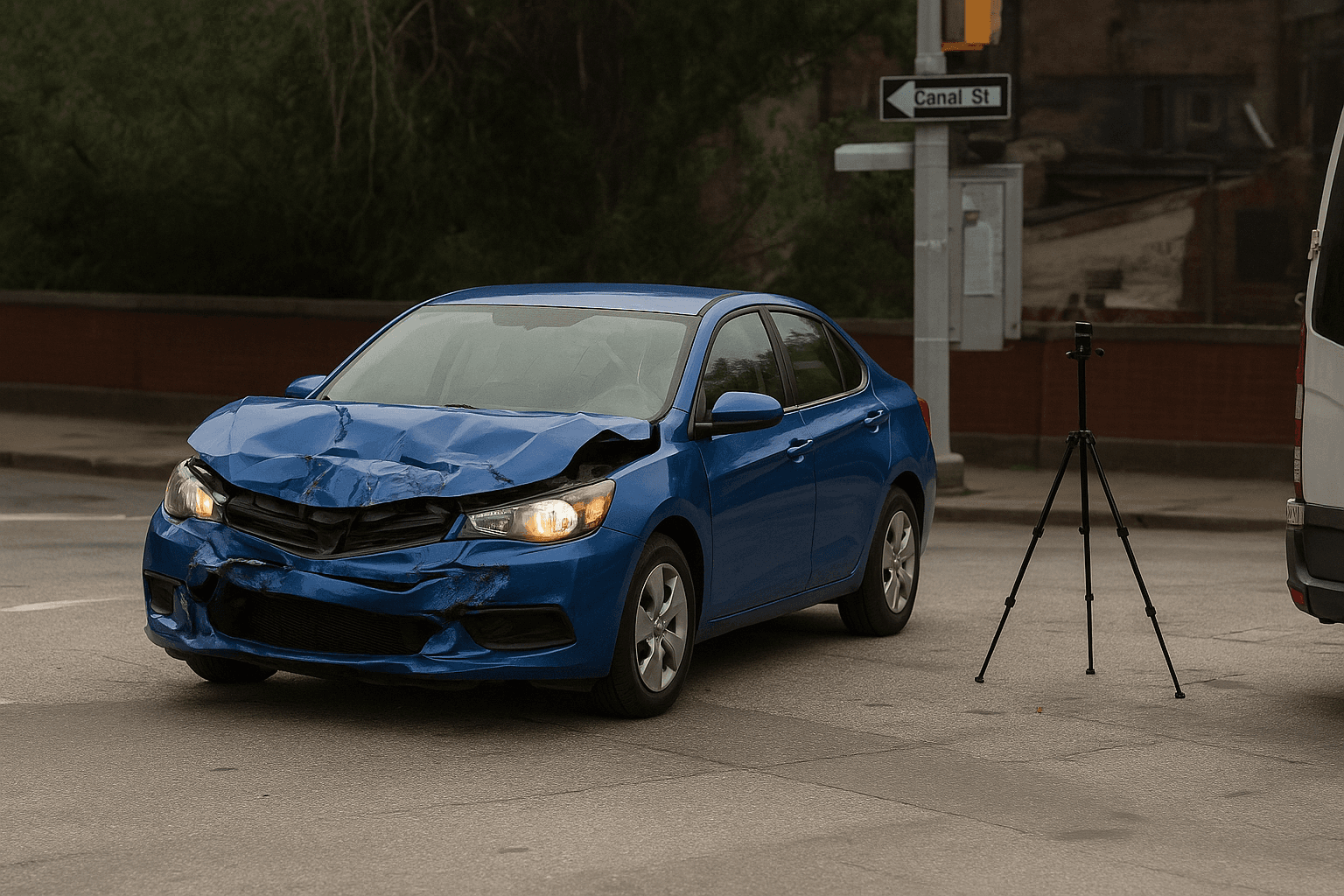
You opened the renewal notice and saw the same premium as last year, maybe a little higher. The sedan has been paid off for two years. The loan company stopped requiring collision and comprehensive the day the title arrived, but the coverage remained on your policy because nothing in the renewal process asked you to reconsider it. Now you're wondering whether you're paying for protection you no longer need.
This is a coverage-fit question specific to retirees in Virginia Beach who own vehicles outright and drive far fewer miles than they did during working years. The answer is not automatic. Dropping full coverage saves premium dollars, but it shifts every repair and replacement cost to you. The decision hinges on three factors: your vehicle's current value, your capacity to absorb a total-loss event, and whether your other coverage already handles the risks full coverage was meant to address.
Compare rates from carriers that specialize in senior drivers
Mature driver discounts, low-mileage rates, and coverage reviews — see what you're actually eligible for.
Get Your Free QuoteVirginia Property Damage Minimum
$40,000
Virginia requires $40,000 property damage liability, which pays for damage you cause to another driver's vehicle in an at-fault accident. It does not pay to repair or replace your own vehicle when you are at fault or hit a tree. That's what collision covers.
Va. Code §46.2-472 (state minimum liability requirements)
What Full Coverage Actually Means on a Paid-Off Vehicle
Full coverage is shorthand for liability plus collision plus comprehensive. Liability is mandatory in Virginia: $50,000 bodily injury per person, $100,000 per accident, and $40,000 property damage. That coverage protects others when you cause an accident. It never pays to fix your own vehicle.
Collision pays to repair or replace your vehicle after a crash with another car or object, regardless of fault. Comprehensive pays for theft, vandalism, hail, fire, and animal strikes. Both are optional once the lien holder releases the title. The loan company required them to protect their collateral; now the decision is yours.
When you drop collision and comprehensive, you keep liability and any optional coverage like uninsured motorist or medical payments. Your premium decreases because the carrier no longer assumes repair or replacement risk on your vehicle. You assume it instead. If a deer totals the sedan or someone rear-ends you and flees, you pay the full replacement cost out of pocket unless you have uninsured motorist property damage coverage, which is a separate optional layer.
Most seniors never reassess because the renewal notice restates existing coverage without prompting you to evaluate whether collision and comp still fit your current vehicle value and financial position.
The Vehicle-Value Threshold That Guides the Decision

Check your current declaration page and isolate the collision and comprehensive premiums. Add them together and multiply by ten. If your vehicle's actual cash value is below that figure, you're paying a meaningful percentage of the car's worth each year to insure against a loss you could absorb. For example, if collision and comp together cost $400 annually, the ten-times threshold is $4,000. A vehicle worth $3,500 at current market value falls below the threshold.
Vehicle value is not what you paid or what you think it's worth. It's the amount a buyer would pay today for a sedan of your make, model, year, and mileage in Virginia Beach. Check NADA, Kelley Blue Book, or recent local sale listings. Deductibles matter here too: if your collision deductible is $1,000 and your vehicle is worth $3,500, a total-loss payout after the deductible is $2,500. You're paying premium dollars to protect $2,500 of net recovery.
Related Articles




Medicare and Medical Payments Coverage Do Not Overlap the Way You Think
One misconception that drives this question: Medicare already covers my medical bills after an accident, so I don't need full coverage. Medicare does cover your injury treatment, but that has nothing to do with collision or comprehensive. Medical payments coverage and personal injury protection are the optional layers that pay medical bills after an accident. Those are separate line items on your policy, not part of full coverage's collision and comp bundle.
If you carried medical payments coverage during your working years, you can evaluate whether Medicare makes it redundant now. That's a separate judgment call. Dropping collision and comprehensive affects only your vehicle repair and replacement risk. It does not change your medical coverage or Medicare coordination.
Full coverage refers specifically to the physical-damage insurance on your vehicle. Liability protects others. Collision and comp protect your car. Medical payments and PIP protect your body. These are independent coverage decisions, and paying off the vehicle opens only the collision and comp question.
Carriers Writing in Virginia
25
Twenty-five carriers serve Virginia drivers, including retirees. Not all offer unbundled liability-only policies easily online. Some require a phone conversation to remove collision and comp. Geico, Progressive, State Farm, Nationwide, and Allstate all write liability-only policies for seniors in Virginia Beach and allow you to adjust coverage at renewal or mid-term.
Carrier filings with Virginia Bureau of Insurance
What Happens When You Drop Collision and Comprehensive Mid-Term
You can remove collision and comprehensive coverage any time during the policy period, not just at renewal. Call your carrier or agent, request the change, and the premium adjusts pro-rata for the remaining term. Most carriers process the change within one business day and issue a revised declaration page showing liability-only coverage. The refund or reduced installment applies immediately.
One state-specific quirk: if you financed the vehicle recently and just paid it off, verify the lien release has been recorded with the Virginia DMV before you drop physical-damage coverage. Some carriers require proof the title is clear. If the lien still appears in the DMV system because the lender has not filed the release electronically, the carrier may decline the change until the title shows no lien holder. That delay is administrative, not a coverage requirement, but it can hold up the request for two to four weeks.
When Keeping Collision and Comprehensive Still Makes Sense
If you cannot absorb a total-loss event without financial hardship, keep the coverage. A $6,000 vehicle might fall below the ten-times threshold, but if losing that $6,000 would force you to finance a replacement or go without a vehicle for months, the premium cost is worth the protection. This is a cash-reserve question, not a vehicle-value question.
Comprehensive coverage alone, without collision, is an option some retirees choose. Comp premiums are lower than collision because theft and weather claims are less frequent than crash claims. If your primary concern is theft or hail damage and you're confident you can avoid at-fault accidents, dropping collision while keeping comp saves premium dollars and retains protection against non-crash losses. Not all carriers offer this unbundled structure easily, but Geico and Progressive both allow it in Virginia.
Another scenario: you own two vehicles and drive one less than 2,000 miles per year. Some carriers offer stored-vehicle or low-use comprehensive-only policies that eliminate collision entirely and reduce comp premiums because the exposure is lower. State Farm and Nationwide both offer low-mileage programs for retirees in Virginia Beach, though you must ask specifically; the programs do not appear automatically in online quote tools.
Compare Liability-Only Rates Across Carriers Before You Decide
Dropping collision and comp with your current carrier is one path. Comparing liability-only rates across carriers is another. Senior drivers in Virginia with clean records often qualify for better liability-only rates than they carried during working years because risk models favor age and experience once collision exposure is removed. Geico, Progressive, Erie, and State Farm all offer mature-driver discounts in Virginia; the amount is set by each carrier's filed rates because Virginia law requires the discount but does not fix the percentage.
Request liability-only quotes from at least three carriers. Specify your current liability limits, your vehicle's year and make for reference, and that you want liability and uninsured motorist coverage only. Some carriers assume you want full coverage unless you state otherwise, and the quote you receive online may bundle collision and comp automatically. Calling directly or using the carrier's agent network produces clearer liability-only quotes for retirees.
Uninsured motorist property damage coverage is optional in Virginia but worth considering when you drop collision. It pays to repair your vehicle when an at-fault driver has no insurance and flees or cannot be identified. The premium is lower than collision because it applies only in specific fault scenarios, but it closes the gap collision leaves when you remove it. Not all carriers offer it as a standalone option; ask explicitly whether it's available and what the additional cost is.