
The Coverage Question No Agent Answers Directly
You opened your renewal notice and saw another increase despite decades without a claim and a car that has been paid off for five years. Your adult child asked whether you really need full coverage on a 2015 sedan worth maybe $6,000 now, and you realized you have been paying the same collision and comprehensive premiums since the loan closed. Most Norfolk retirees carrying full coverage on paid-off vehicles never get a straight answer about when those coverages stop earning their cost, because agents are trained to sell retention, not coverage fit.
This article addresses the specific decision a retired Norfolk driver faces: whether collision and comprehensive coverage still make financial sense once the lender no longer requires them, your annual mileage dropped by two-thirds, and your vehicle value fell below the threshold where those premiums pay for themselves. Virginia law shapes this decision in ways most national insurance advice never accounts for, and Norfolk's carrier landscape offers mature-driver discounts under a state mandate that leaves the actual discount amount entirely to carrier discretion.
Compare rates from carriers that specialize in senior drivers
Mature driver discounts, low-mileage rates, and coverage reviews — see what you're actually eligible for.
Get Your Free QuoteVirginia Mature-Driver Discount Age
55+
Virginia Code §38.2-2217(A) requires insurers to offer a mature-driver discount to operators 55 and older, but the statute does not fix the percentage. Each carrier files its own discount amount, so two retirees with identical records can pay vastly different rates depending on whose filing they landed on.
Va. Code §38.2-2217(A)
What Full Coverage Actually Pays For on a Paid-Off Car
Full coverage is not a single product. It is industry shorthand for a liability policy bundled with collision and comprehensive. Once your lender releases the title, liability remains legally required under Virginia's $50,000/$100,000/$40,000 minimums, but collision and comprehensive become optional. Collision pays to repair your car after an at-fault accident or a collision with an object. Comprehensive pays for theft, vandalism, hail, fire, and animal strikes. Both coverages carry separate deductibles and pay only up to your vehicle's actual cash value at the time of the loss.
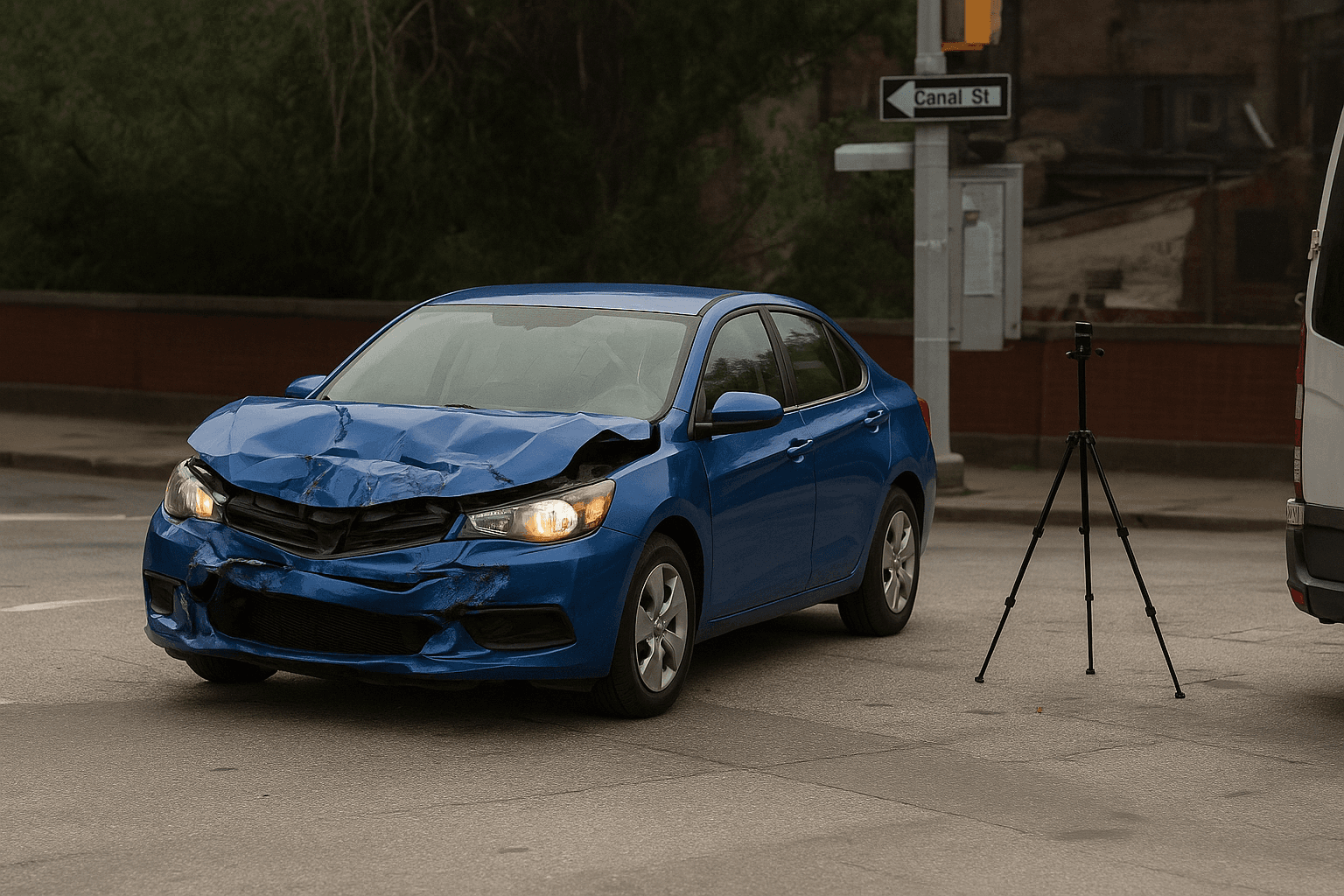
When your 2015 sedan is worth $6,000 and your combined collision and comprehensive premium runs $600 annually with a $500 deductible on each, a total-loss claim nets you $5,000 after the deductible. One total loss every eight years breaks even. Two years without a claim and you have paid more in premiums than the coverage would ever return. Most retirees driving lightly in Norfolk neighborhoods face claim frequency far lower than one total loss per decade, which makes continuing full coverage a wealth-transfer decision, not a protection decision.
Medical payments coverage and uninsured motorist coverage operate independently of the full-coverage question. Virginia requires uninsured motorist coverage unless you reject it in writing, and that requirement applies regardless of what you choose for collision and comp. Many Norfolk retirees coordinate medical payments with Medicare, but uninsured motorist bodily injury remains the primary protection against hit-and-run or judgment-proof at-fault drivers, and dropping it to save $40 annually exposes retirement assets the way collision and comp never could.
You are deciding whether to insure a depreciating asset you own outright, not whether to protect yourself from liability. Those are separate coverage decisions with different math.
The Vehicle-Value Threshold Most Carriers Will Not Name

When your annual collision and comprehensive premium exceeds 10 percent of your vehicle's actual cash value, you are paying more to insure the car than the coverage is mathematically likely to return over the vehicle's remaining life. For a $6,000 car, that threshold sits at $600 per year. If your combined collision and comp premium runs $650 annually, you cross into negative expected value immediately. If it runs $400, you have room, but the margin narrows each year as the vehicle depreciates and the premium holds flat or rises.
This is not a hard rule, and your risk tolerance governs. Some retirees value the peace of mind and continue full coverage on vehicles worth $5,000 because they cannot replace the car out of pocket if it is totaled. Others recognize that two years of premiums saved becomes the start of a replacement fund and drop collision and comp the moment the loan clears. The math is transparent; the decision belongs to you, and no agent is positioned to make it for you because their compensation structure rewards retention.
Related Articles




How Norfolk Retirees Pay Different Rates for Identical Risk
Virginia requires insurers to offer a mature-driver discount to operators 55 and older, but the statute leaves the discount amount to carrier discretion. State Farm, GEICO, Progressive, Nationwide, and Allstate all write in Norfolk and all file different mature-driver discount percentages. One Norfolk retiree with a clean record pays $110 monthly because their carrier filed a 5 percent age-based discount. Another with an identical profile pays $89 because their carrier filed a 15 percent discount and accepts a state-approved defensive driving course for an additional reduction. The difference is not risk; it is which carrier filing you landed on and whether you knew to ask.
Carriers writing in Norfolk that confirmed Virginia FR-44 capability include GEICO, Progressive, State Farm, Nationwide, and Allstate. Bristol West, Dairyland, National General, and The General operate in the non-standard tier and handle higher-risk profiles, but all file mature-driver discounts under the state mandate. The discount exists at every carrier; the amount varies by filing, and most carriers do not automatically apply it at renewal unless you submit documentation or re-enroll in a qualifying course.
Low-mileage programs and usage-based insurance offer additional savings for retirees who no longer commute. GEICO and Progressive both offer telematics programs that track actual mileage and driving behavior. If you drove 18,000 miles annually during your working years and now drive 6,000, usage-based pricing can lower your premium substantially, but the savings vary by carrier and your enrollment is not automatic. Most Norfolk retirees eligible for low-mileage discounts never receive them because they never asked their carrier to verify current annual mileage.
Virginia Bodily Injury Minimum Per Person
$50,000
Virginia's $50,000/$100,000/$40,000 liability minimums exceed most states' floors, but retirees with home equity or retirement accounts face exposure in an at-fault accident that exceeds these limits. Liability coverage protects your assets; collision and comp protect the car. The coverage-fit question applies to the latter, never the former.
Virginia DMV auto insurance requirements
What Happens When You Drop Collision and Comp Mid-Policy
You can drop collision and comprehensive coverage at any point during your policy term by contacting your carrier and requesting the change in writing. Virginia does not require advance notice, and most carriers process the removal within one business day. Your premium adjusts immediately on a pro-rata basis, and you receive a refund for the unused portion of the collision and comp premiums paid through the original renewal date. The liability, uninsured motorist, and medical payments portions of your policy remain unchanged unless you request separate modifications to those coverages.
Some carriers apply a short-rate penalty if you cancel coverages mid-term, but removing collision and comp while keeping the liability policy active does not constitute a cancellation under most carrier rules. Ask your agent explicitly whether a penalty applies before you authorize the change. If your carrier applies one, compare the penalty amount against the refund and decide whether waiting until renewal makes more sense financially. Most Norfolk retirees find the refund exceeds any penalty by a meaningful margin when six or more months remain on the term.
The Comparison Step Most Retirees Skip
Norfolk retirees often remain with the same carrier for decades because switching feels harder than renewing. Virginia's mature-driver discount mandate means every carrier offers one, but the filed amounts differ so widely that comparing three carriers can surface a $400 annual difference for identical coverage. Request quotes from at least two carriers you have not used, and ask each to provide the mature-driver discount amount in writing before binding coverage. Many agents quote the discount as a percentage of your current premium rather than the carrier's filed percentage, which obscures the actual comparison.
When comparing quotes, verify that each includes the same liability limits, the same uninsured motorist coverage, and the same deductibles. If you decide to drop collision and comp, request quotes both with and without those coverages so you can see the exact premium difference. Some carriers penalize policies that carry liability-only on vehicles worth more than a certain threshold, and knowing that penalty in advance prevents surprise rate increases at your next renewal. GEICO, State Farm, and Progressive all offer online quoting for Norfolk addresses, and each surfaces the mature-driver discount during the online flow if you enter your birth date accurately.
Take the Coverage Path That Fits Your Asset Position
You now know the vehicle-value threshold, the mature-driver discount structure Virginia's statute creates, and the fact that Norfolk carriers file discount amounts that differ by double-digit percentages. Pull your current policy declarations page and identify your collision and comprehensive premiums, your vehicle's actual cash value from a recent appraisal or Kelley Blue Book lookup, and whether your carrier applied a mature-driver discount at your last renewal. If your combined collision and comp premium exceeds 10 percent of your vehicle's value, the math favors dropping those coverages and banking the savings. If your carrier has not documented a mature-driver discount on your declarations page, call and ask what discount applies to your policy and whether completing a Virginia-approved defensive driving course would increase it. Request quotes from two additional carriers writing in Norfolk, compare the mature-driver discount filings, and choose the coverage structure that protects your retirement assets without insuring a depreciating asset past the point it pays for itself.