
The Paid-Off Vehicle Question Every Hampton Retiree Faces
You made the final payment on your car last month and your insurance agent called to suggest dropping collision and comprehensive coverage to lower your premium. The logic sounds right: why insure what the bank no longer requires? But that framing skips two structural realities Virginia retirees face that working-age drivers with financed vehicles never consider.
First, Virginia is one of the few states requiring uninsured motorist coverage by statute, which means your liability-only policy still carries a meaningful premium floor. Second, Medicare does not cover vehicle repair or replacement costs after an accident, so the out-of-pocket exposure on a totaled paid-off car falls entirely on you. The coverage question is not whether the bank requires it; it is whether the vehicle's value and your financial position make self-insuring a $12,000 replacement cost the better bet.
Compare rates from carriers that specialize in senior drivers
Mature driver discounts, low-mileage rates, and coverage reviews — see what you're actually eligible for.
Get Your Free QuoteVirginia Bodily Injury Minimum Per Person
$50,000
Virginia requires $50,000 per person, $100,000 per accident bodily injury liability, and $40,000 property damage. These minimums set the floor for any policy, including liability-only, and explain why dropping collision rarely cuts premiums in half the way many retirees expect.
Va. Code §46.2-472
What Full Coverage Actually Protects Once the Lien Is Gone
Full coverage is industry shorthand for a policy combining liability, collision, and comprehensive. Collision pays to repair or replace your vehicle after an at-fault accident or a crash where the other driver is uninsured. Comprehensive covers theft, vandalism, weather damage, and animal strikes. Both coverages pay based on your vehicle's actual cash value at the time of loss, minus your deductible.
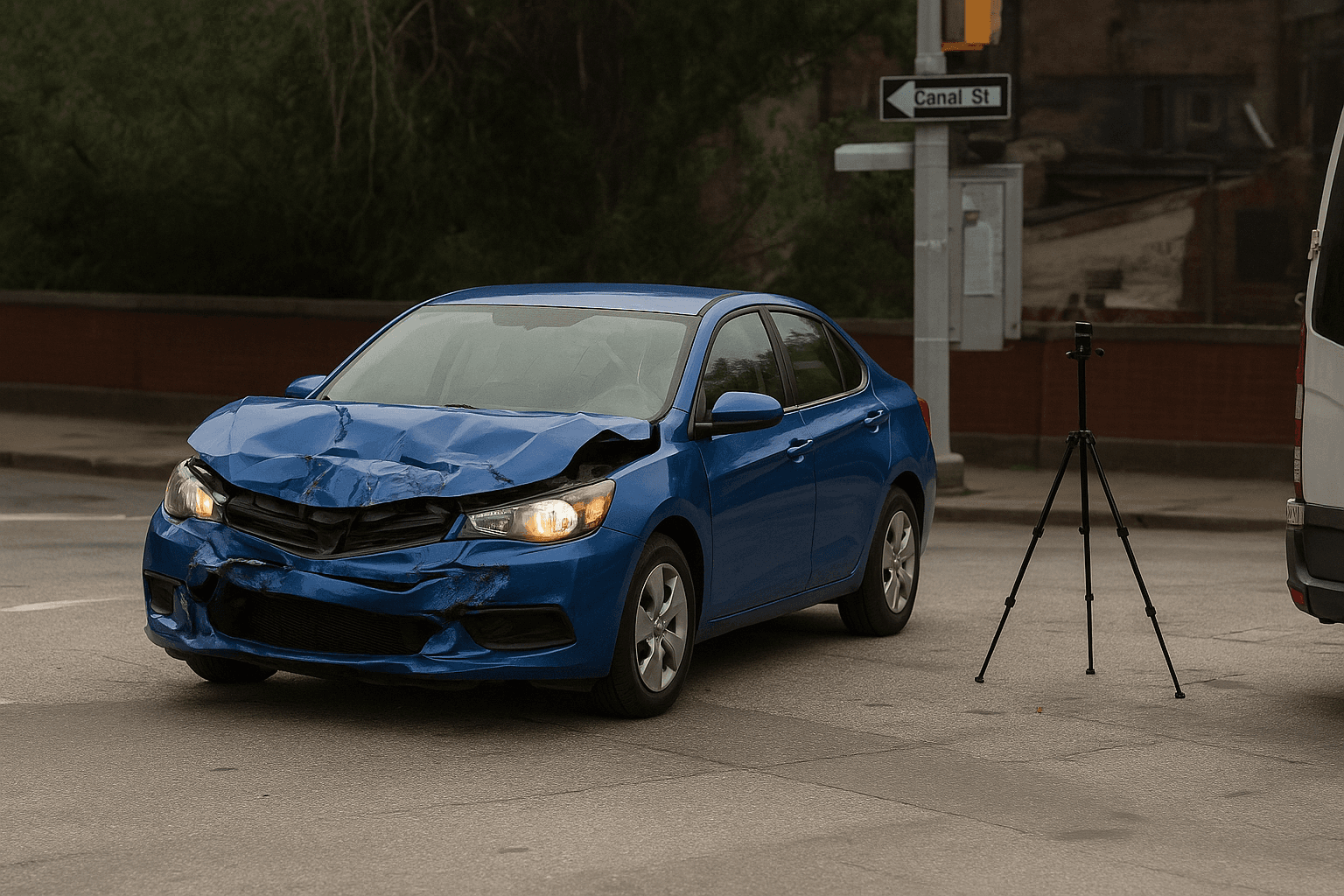
Once the car is paid off, collision and comprehensive no longer protect the lender's interest. They protect yours. If your 2015 sedan is worth $11,000 and you carry a $500 deductible, collision pays up to $10,500 after an at-fault accident. If you drop the coverage, that $10,500 comes from savings or you lose the vehicle entirely.
Virginia law does not require collision or comprehensive on any vehicle, financed or not. The state requires liability coverage and uninsured motorist coverage, both of which pay for damage you cause to others or damage others cause to you when they lack insurance. Those coverages do nothing for your own vehicle when you are at fault or the other driver flees the scene.
Medicare covers medical bills after an accident, but it does not cover vehicle repair, replacement, or rental costs. Without collision coverage, those expenses are self-insured.
Comparing Carriers on Collision Rates for Paid-Off Vehicles

Geico, Progressive, and Nationwide all write policies in Virginia and offer online quoting tools that let you model collision versus liability-only premiums side by side. Geico and Progressive both operate usage-based programs that track annual mileage and can reduce collision premiums for drivers logging under 7,500 miles per year. State Farm offers a mature-driver discount by statute in Virginia, though the percentage is set by the carrier's own filing and must be verified at quote time.
When comparing carriers, request quotes with $500, $1,000, and $1,500 deductibles. A higher deductible lowers the collision premium, and many retirees with accessible savings prefer the lower monthly cost over the difference between a $500 and $1,000 out-of-pocket payment after a claim. The deductible you select directly controls how much collision costs, and that choice matters more once the vehicle is paid off and you control the entire decision.
Related Articles




State-Specific Quirks That Change the Math
Virginia's mandatory uninsured motorist coverage requirement means your liability-only policy already includes coverage for accidents caused by drivers with no insurance. That coverage pays for your medical bills and, in some cases, lost wages, but it does not pay to fix your vehicle. Uninsured motorist property damage is available as an optional add-on in Virginia, but it carries a smaller limit than collision and applies only when the at-fault driver can be identified.
Virginia also eliminated the uninsured motor vehicle fee option effective July 1, 2024. Before that date, drivers could pay a $500 annual fee to operate without insurance. That option no longer exists, meaning every registered vehicle in Virginia must now carry liability coverage. The policy change reduced the number of uninsured drivers on Hampton roads, but it did not eliminate them, and collision remains the only coverage paying for your own vehicle damage when you cause the accident.
Hampton's proximity to the coast introduces higher comprehensive claim rates for weather-related damage, particularly flooding and wind. Comprehensive premiums in Hampton often run higher than in Roanoke or Charlottesville because of that exposure. If your vehicle is garaged and your neighborhood has not flooded in recent storms, some carriers let you justify a lower comprehensive premium, but that adjustment is carrier-specific and must be requested during underwriting.
Carriers Writing Policies in Virginia
25
At least 25 carriers write auto policies in Virginia, including Geico, Progressive, State Farm, Nationwide, Allstate, and Erie. Not all offer the same mature-driver or low-mileage programs, and comparing three to five carriers on collision rates for a paid-off vehicle often surfaces a 20–30 percent spread.
Virginia Bureau of Insurance carrier directory
When Dropping Collision Makes Sense and When It Does Not
The conventional threshold is this: if your vehicle's actual cash value is less than ten times your annual collision premium, the coverage no longer earns its cost. A car worth $8,000 with a $900 annual collision premium crosses that line. A car worth $13,000 with a $650 annual collision premium does not.
That threshold assumes you have accessible savings to replace the vehicle if it is totaled. If replacing a $10,000 car out of pocket would force you to liquidate investments, delay other expenses, or finance a replacement, collision coverage remains the better financial structure even when the premium-to-value ratio suggests otherwise. The question is not whether you can afford the premium; it is whether you can afford the loss the premium protects against.
How to Request the Quote That Answers the Question
Call your current carrier or use their online portal to request two quotes: one with your current collision and comprehensive coverage, and one with liability and uninsured motorist only. The difference between those two premiums is what collision and comprehensive cost you annually. Divide your vehicle's current value by that annual cost. If the result is greater than ten, the coverage earns its cost. If it is less than ten, you are paying more in premiums than the vehicle is worth over a realistic policy period.
Request the same comparison from at least two other carriers writing in Virginia. State Farm, Geico, and Progressive all operate in Hampton and offer mature-driver discounts, though the percentage varies by carrier. Some carriers apply the discount automatically at age 55; others require submission of a state-approved defensive driving course certificate. Virginia statute requires insurers to offer the discount, but the amount is not fixed by law and must be verified in each carrier's filed rates.
Compare Carriers and Run the Numbers Before You Drop Coverage
The paid-off vehicle is yours, and so is the coverage decision. No agent, lender, or statute forces the choice. What matters is whether the collision premium protects an asset you cannot afford to replace out of pocket, and whether the carriers you are comparing recognize your mileage, your record, and your age in the rate they quote. Request quotes that show the liability-only and full-coverage premiums side by side, compare three carriers minimum, and verify what each applies for mature-driver and low-mileage programs before making the call. The coverage that fit when you financed the car five years ago may no longer fit now, but the reverse is equally true: the savings from dropping it may be smaller than you expect once Virginia's mandatory uninsured motorist floor is accounted for.