
The Day After the Final Payment
You made the final payment on your sedan, received the title in the mail, and immediately wondered whether you still need full coverage. Your agent has not called. Your renewal notice arrived with the same premium breakdown showing collision and comprehensive you have carried for six years. Nothing about the policy changed, but everything about your position did.
This is the friction point where most Richmond retirees make the coverage decision backwards. They drop collision the day the lien releases because no lender requires it anymore, treating the decision as procedural rather than financial. The real question is not whether you must carry it—you do not—but whether the coverage still earns its annual cost against your vehicle's current value, your claim history, and how much cash you keep available for an unexpected replacement.
Compare rates from carriers that specialize in senior drivers
Mature driver discounts, low-mileage rates, and coverage reviews — see what you're actually eligible for.
Get Your Free QuoteVirginia Bodily Injury Minimum Per Person
$50,000
Virginia mandates 50/100/40 liability minimums. Once your vehicle is paid off, liability remains your non-negotiable floor—it protects retirement assets in an at-fault accident—but collision and comprehensive become judgment calls tied to replacement cost, not state law.
Virginia DMV auto insurance requirements
What Full Coverage Actually Protects Now
Full coverage means liability plus collision plus comprehensive. Liability pays the other driver when you cause the accident. Collision pays to repair or replace your vehicle after an accident regardless of fault. Comprehensive pays for theft, vandalism, hail, fire, and animal strikes. The lien holder required collision and comprehensive to protect their asset while you made payments. Now that you own the car outright, those two coverages protect only your asset.
The decision hinges on replacement cost versus premium cost. If your vehicle is worth twelve thousand dollars and collision plus comprehensive cost eight hundred annually, you are paying roughly seven percent of the vehicle's value each year to insure against total loss. If the vehicle depreciates another two thousand next year and the premium stays flat, that percentage climbs. At some point—different for every household—the annual cost exceeds what you would comfortably pay out of pocket to replace the vehicle if it were totaled.
Virginia law does not set this threshold. Your household budget does. Some Richmond retirees keep full coverage on a paid-off vehicle worth fifteen thousand because they do not keep fifteen thousand liquid and cannot replace it without disrupting retirement income. Others drop collision the moment the title arrives because they hold enough in savings to buy another used vehicle tomorrow if necessary. The structural question is not age of the car; it is how much cash you keep available and whether you would rather self-insure the replacement risk or pay a carrier to carry it.
The blocker: you do not know your vehicle's current replacement value, so you cannot compare it against your annual collision and comprehensive cost to see whether the coverage still justifies itself.
The Replacement-Value Calculation Richmond Retirees Skip
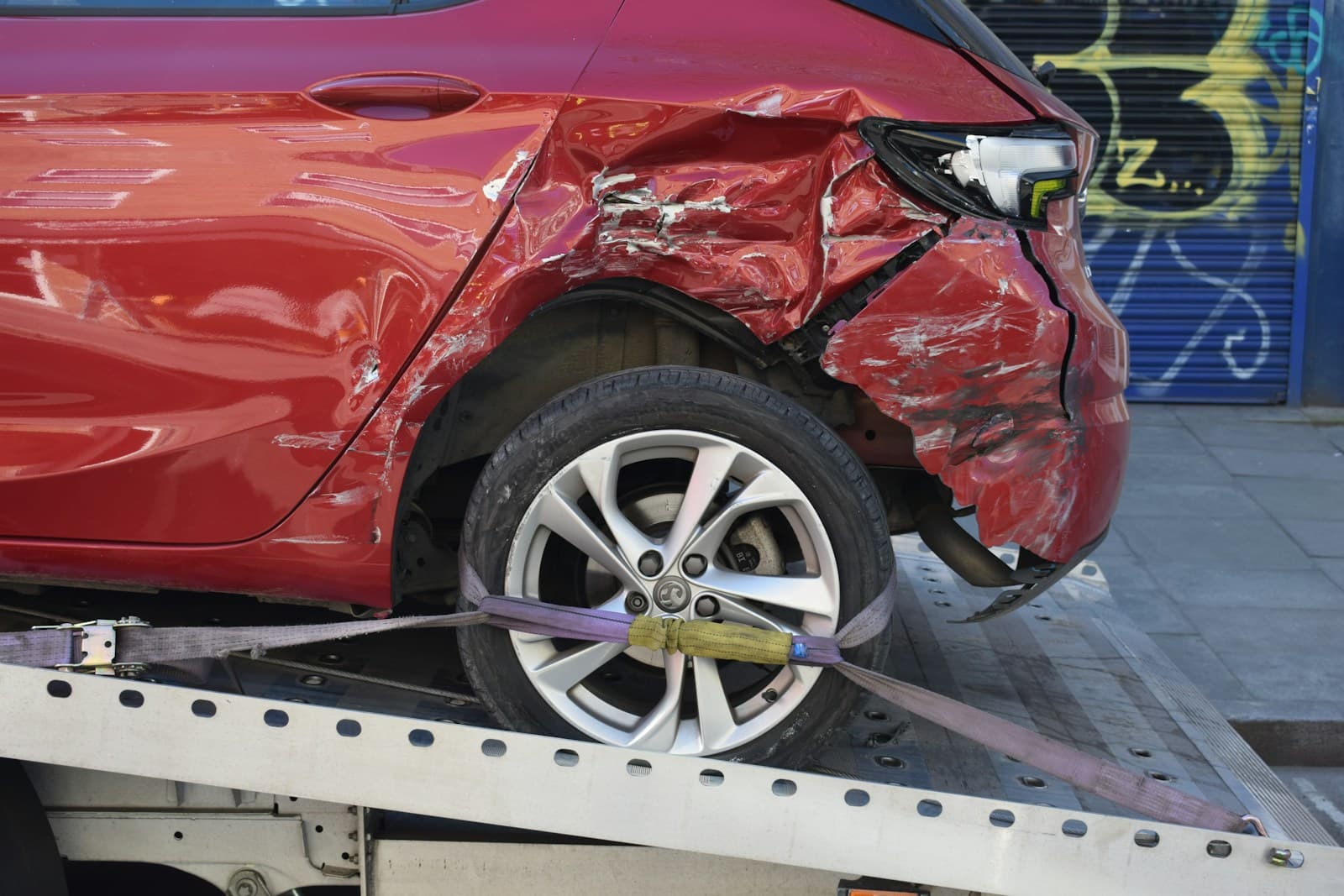
Start with your vehicle's actual cash value: check NADA, Kelley Blue Book, or recent private-party sale prices for your make, model, year, and mileage in the Richmond area. This is not what you paid originally or what you wish it were worth; it is what a buyer would pay tomorrow. Then pull your most recent renewal notice and isolate the collision and comprehensive line items—skip liability, medical payments, and uninsured motorist for this calculation. Add those two together for your annual physical-damage premium.
Now divide the annual premium by the vehicle's current value. If your car is worth ten thousand and you pay six hundred annually for collision and comprehensive combined, you are paying six percent of its value each year. As the vehicle depreciates and the premium holds steady or increases, that percentage rises. The conventional threshold is ten percent: once you are paying more than ten percent of the vehicle's value annually to insure it against physical damage, most households come out ahead self-insuring. The exception is claim frequency—if you have filed two collision claims in three years, the math favors keeping coverage regardless of percentage, because your loss pattern suggests you will use it again.
Related Articles




When Richmond Carriers Apply Mature-Driver Discounts to Full Coverage
Virginia law requires insurers to offer a mature-driver discount for operators fifty-five and older. The statute does not fix the percentage—each carrier sets the amount in its filed rates—but the discount must be offered. Most Richmond-area carriers apply it automatically at renewal once you turn fifty-five, but some require you to submit proof of completing a state-approved defensive driving course before the discount appears.
The discount applies to your entire premium, including collision and comprehensive, not just liability. If you are paying eight hundred annually for full coverage and your carrier files a ten-percent mature-driver discount, completing the course saves you eighty dollars per year. That course-based discount typically requires re-certification every three years, and the discount lapses if you miss the renewal window. Check whether your current carrier applies the discount automatically by age or requires course completion, because if you have qualified for two years and never submitted the certificate, you have been paying the higher rate unnecessarily.
Among carriers writing in Virginia, State Farm, GEICO, Nationwide, Progressive, and Allstate all handle mature-driver discounts, but eligibility rules and filing structures differ. State Farm and Allstate typically require course completion. GEICO and Progressive apply age-based discounts in some states but still reward course completion with a higher-tier reduction. If you are comparing whether to keep full coverage, run the quote with and without the mature-driver discount applied—it changes the percentage calculation materially.
Virginia Mature-Driver Discount Mandate
Required
Va. Code §38.2-2217(A) requires insurers to offer an appropriate reduction for operators fifty-five and older. The discount amount is not fixed by statute—each carrier sets it in filed rates—but the offering itself is mandatory, and most carriers apply it to the full premium including physical-damage coverage.
https://law.lis.virginia.gov/vacode/title38.2/chapter22/section38.2-2217/
Dropping Collision but Keeping Comprehensive
You do not need to drop both at once. Collision covers accident damage; comprehensive covers everything else—theft, vandalism, weather, animals. In Richmond, deer strikes and hail are common enough that many retirees drop collision once the vehicle ages past the threshold but keep comprehensive because the annual cost is lower and the risk profile differs.
Comprehensive premiums run significantly cheaper than collision because the loss frequency is lower. If your combined physical-damage premium is six hundred annually and collision accounts for four hundred of that, dropping collision cuts your cost by two-thirds while maintaining protection against the risks you cannot control by driving carefully. This is a common structure for Richmond retirees driving paid-off vehicles worth eight to twelve thousand: liability at higher limits than the state minimum, comprehensive retained, collision dropped, and medical payments coordination confirmed against Medicare.
Compare Before You Drop
Once you drop collision and comprehensive, you cannot add them back without a new underwriting review, and if your vehicle has depreciated substantially or you have aged into a bracket some carriers price less favorably, reinstatement may cost more than continuation would have. The decision to drop coverage is harder to reverse than the decision to keep it one more year.
Request quotes from at least three carriers writing in Virginia before making the change. State Farm, GEICO, Nationwide, and Progressive all write standard and preferred policies for mature drivers in Richmond and quote online. Compare the annual cost of full coverage with mature-driver and low-mileage discounts applied against liability-only with the same limits. If the delta is two hundred annually and your vehicle is worth nine thousand, you are paying roughly two percent for physical-damage coverage—a threshold most households accept. If the delta is five hundred and the vehicle is worth seven thousand, you are at seven percent and approaching the decision point. The math tells you when; your household cash position tells you whether.