
The Renewal Notice Doesn't Recalculate
You opened the renewal notice and the collision and comprehensive charges match last year's, but the car loan ended six months ago. The carrier renewed every line item identically because automatic renewal carries forward what you had, not what you need now. No algorithm recalculates coverage fit when the lien releases.
The decision you face is structural: collision and comprehensive exist to protect the vehicle's value, but once you own it outright and drive far fewer miles than you did during your working years, the premium-to-protection ratio shifts. This article walks the coverage math for retired drivers in Newport News with paid-off vehicles of moderate age, using Virginia's liability floor as the starting point and your vehicle's actual replacement cost as the boundary.
Compare rates from carriers that specialize in senior drivers
Mature driver discounts, low-mileage rates, and coverage reviews — see what you're actually eligible for.
Get Your Free QuoteVirginia Bodily Injury Minimum Per Person
$50,000
Virginia mandates $50,000/$100,000 bodily injury and $40,000 property damage as the liability floor. Collision and comprehensive sit above this minimum; they protect your asset, not the state's requirement.
Va. Code § 46.2-472
What Full Coverage Actually Protects
Liability insurance pays the other driver's damages when you're at fault. Virginia requires it by statute, and most retirees carry limits well above the $50,000/$100,000/$40,000 floor because retirement assets are exposed in an at-fault accident.
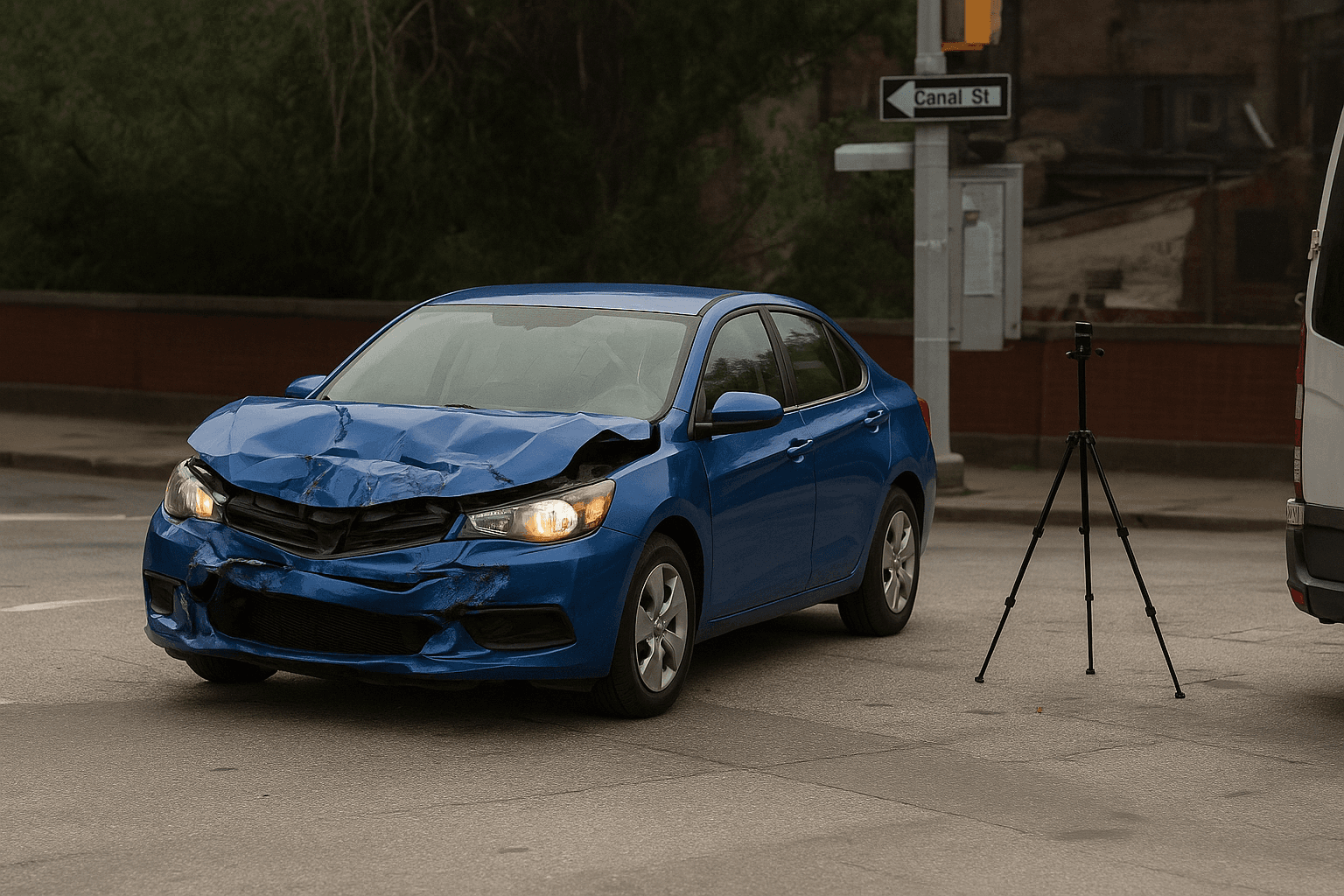
Collision pays to repair or replace your vehicle after an accident regardless of fault, minus your deductible. Comprehensive covers theft, vandalism, weather, and animal strikes. Both are optional once the lien disappears. The carrier prices them based on the vehicle's actual cash value, not what you paid years ago.
The coverage earns its cost when the vehicle's replacement value justifies the annual premium. If your vehicle is worth $8,000 and collision costs $600 annually with a $1,000 deductible, you're paying $600 to protect $7,000 of value. That math works for some drivers and doesn't for others.
The renewal assumes you still need collision because you had it last year. The lien release never triggers a coverage review; that step belongs to you.
The Vehicle Value Threshold

Check the vehicle's actual cash value using NADA, Kelley Blue Book, or your carrier's valuation tool. The figure you want is the private-party or retail value in good condition, not the trade-in number. Subtract your collision deductible from that value. The result is the maximum the collision coverage would pay if the vehicle were totaled tomorrow.
Now compare that net payout to the annual collision and comprehensive premium. If the premium exceeds 10 percent of the net payout, or if you could replace the vehicle out of pocket without financial strain, dropping collision and comprehensive becomes a judgment call rather than a default keep. Some Newport News retirees driving paid-off sedans worth $6,000 to $10,000 keep the coverage because replacing the vehicle would disrupt fixed income; others drop it and self-insure the asset.
Related Articles



Mileage and Storage Context
Collision and comprehensive premiums reflect risk exposure. A vehicle driven 4,000 miles annually and garaged in a low-theft Newport News ZIP carries lower collision risk than one driven 15,000 miles and parked on the street, but many carriers don't recalculate mileage at renewal unless you request it.
If your mileage dropped when you retired, contact the carrier or agent and ask whether a low-mileage or usage-based program applies. Progressive's Snapshot, Nationwide's SmartRide, and other telematics programs measure actual miles driven and adjust premiums accordingly. Some carriers offer a flat low-mileage discount for drivers under 7,500 annual miles without requiring a device.
Storage matters for comprehensive. A vehicle garaged overnight in a monitored community faces lower theft and weather risk than one parked in an open lot. Ask whether your carrier's comprehensive rate reflects garaging; some do, others don't, and you won't know unless you ask.
Carriers Writing in Virginia
25
Virginia's market includes 25 verified carriers spanning preferred, standard, and non-standard tiers. Collision and comprehensive pricing varies substantially by carrier; comparing quotes isolates which carrier prices your profile most favorably now that the vehicle is paid off.
Auto insurance carriers by state database
Medicare and Medical Payments Coordination
Medical payments coverage (med pay) pays your medical bills after an accident regardless of fault, up to the policy limit. Personal injury protection (PIP) is not required in Virginia. Most retirees on Medicare question whether med pay duplicates their health coverage.
Medicare is primary for your medical bills, but it doesn't cover deductibles, co-pays, or passenger injuries. Med pay fills those gaps and covers passengers in your vehicle who may not have health insurance. If you carry passengers regularly or want a buffer for out-of-pocket health costs after an accident, med pay at $2,000 to $5,000 adds modest value. If you drive alone and Medicare plus a supplement covers your health exposure, dropping med pay is a reasonable choice.
Compare Before You Drop
Dropping collision and comprehensive mid-term triggers a prorated refund, but most carriers apply the change at renewal to avoid the administrative churn. Request quotes from at least three Virginia carriers with your current coverage structure, then request a second quote from each with collision and comprehensive removed. The delta between the two shows exactly what those coverages cost you annually.
State Farm, GEICO, Nationwide, Progressive, and Allstate all write standard auto policies in Virginia and offer online quote tools. If you completed a mature-driver course, verify that the carrier applied the discount; Virginia law requires insurers to offer the discount under Va. Code §38.2-2217(A), but the percentage is set by each carrier's filed rates and you must ask to confirm it's active on your policy.
Some Newport News drivers find that switching carriers saves more than dropping collision, particularly when the new carrier prices the mature-driver discount and low-mileage profile more favorably than the incumbent. The comparison isolates which lever moves your premium most: coverage structure, mileage recognition, or carrier.
Next Step
Pull your current declarations page and note the collision, comprehensive, and med pay premiums as separate line items. Then request quotes online or by phone from three carriers, providing your actual annual mileage, garaging situation, and confirmation that the vehicle is paid off. Ask each carrier explicitly whether their mature-driver discount is applied and what the discount percentage is for your age bracket and course completion status. Compare the full-coverage quote against a liability-only quote from the same carrier. That comparison gives you the exact annual cost of collision and comprehensive on your vehicle, in your ZIP, with your profile, which is the only figure that matters for this decision.